Bring the complete history
Collect semen analyses, hormone and genetic results, ultrasound reports and any previous operation notes. If you have had sperm retrieval before, bring the embryology and pathology reports as well. Tell the team about illnesses, allergies, medications, supplements and previous anaesthetic problems. A brief timeline is useful, but original reports allow a more reliable review.
Clarify the decision and consent
The urology/andrology specialist should explain the indication, alternatives, anaesthesia and risks, including the possibility that no usable sperm are found. Ask whether further genetic counselling or investigations could change the plan. A favourable blood result is not a promise of retrieval. Consent should include how tissue and sperm will be handled, rather than focusing only on the operation.
Coordinate surgery and embryology
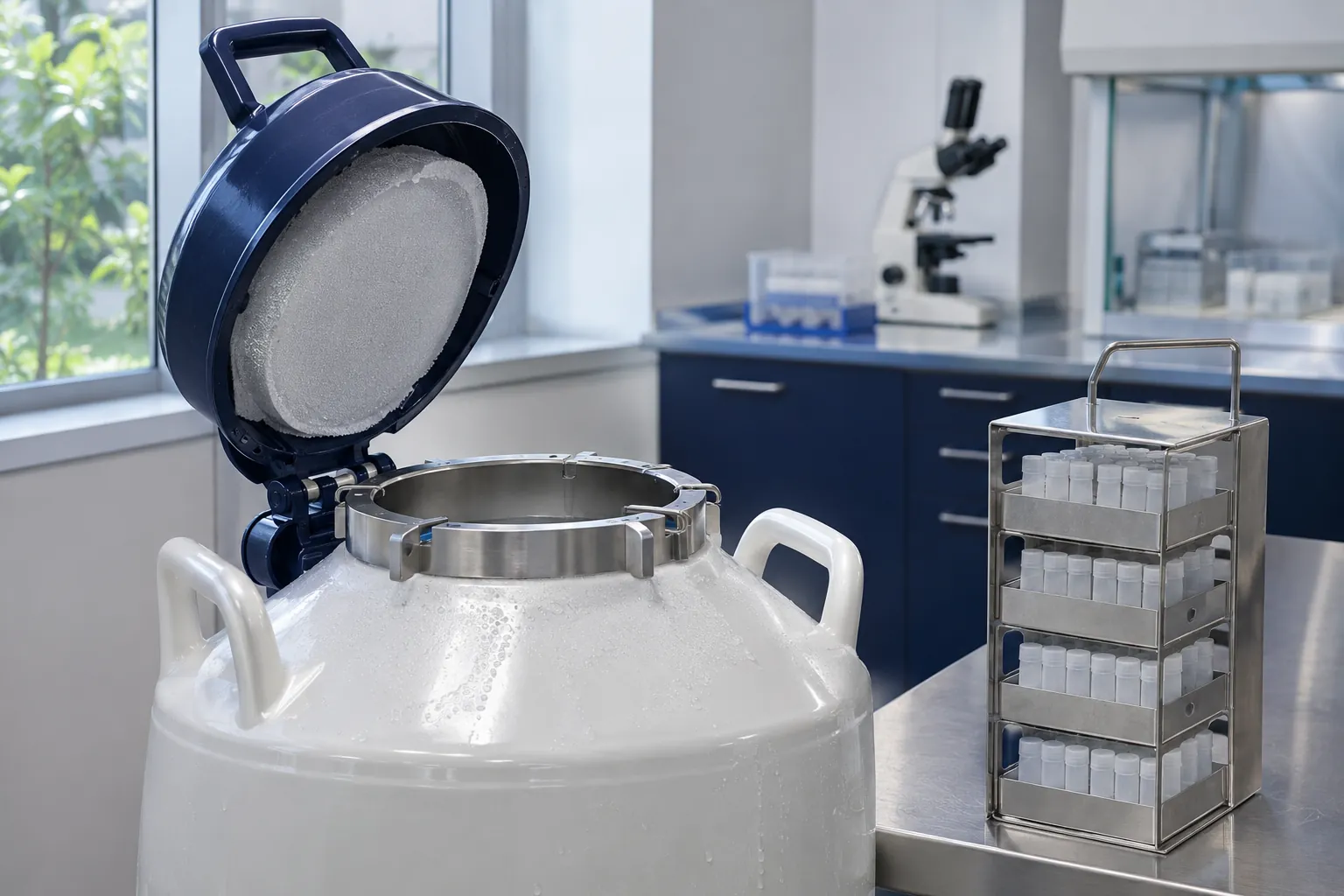
Discuss whether retrieval will precede ovarian stimulation or be coordinated with egg collection, and what would happen if sperm are unavailable. Ask about freezing, storage consent and how you will receive the laboratory findings. The suitable sequence depends on both partners and the laboratory assessment; there is no single schedule that works for every couple.
Follow your own team’s written instructions
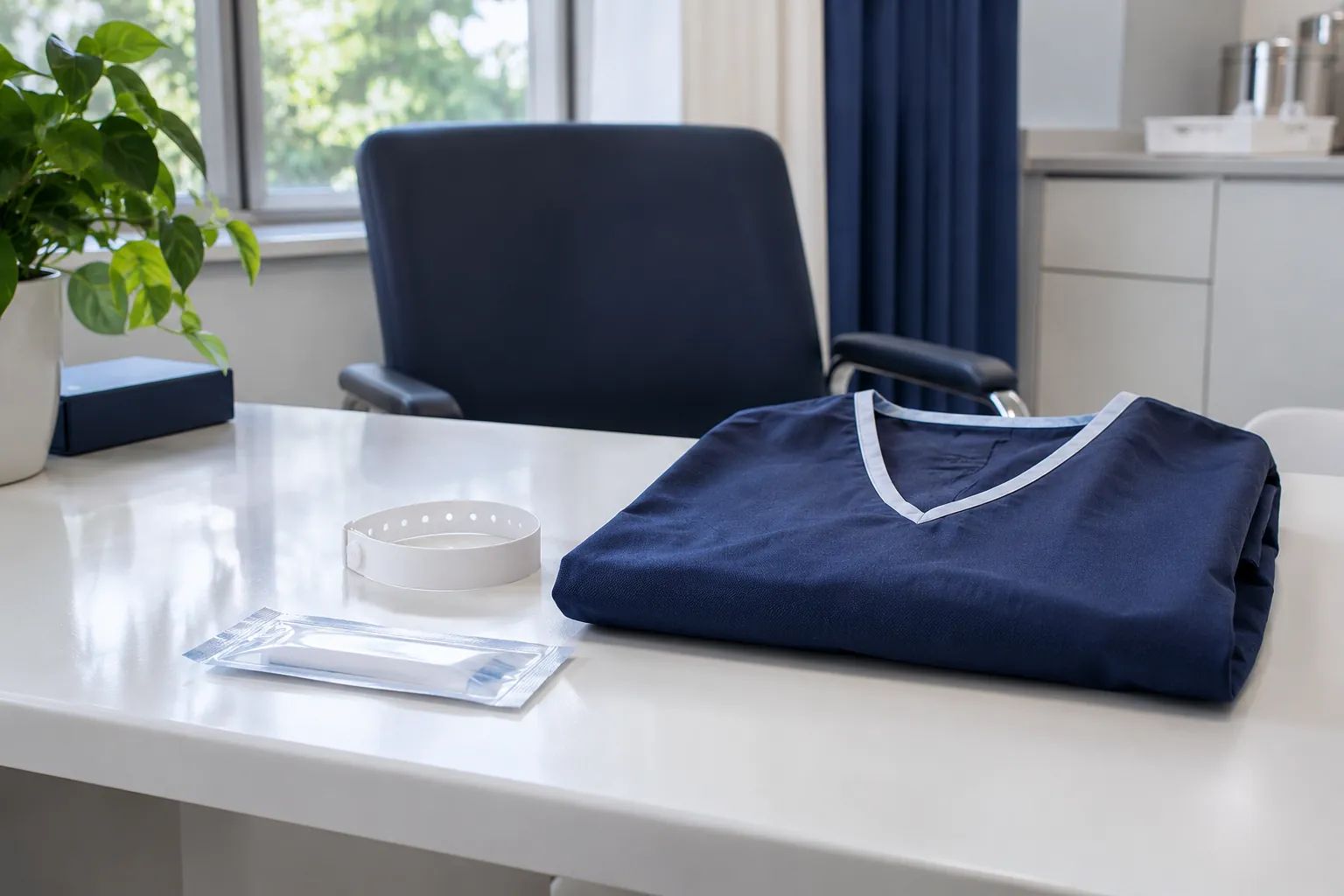
Fasting, medications, transport, accompaniment and wound preparation depend on the anaesthetic and hospital protocol. Do not stop prescribed medicines or copy another patient’s instructions yourself. Ask when you can travel, work, exercise and resume sexual activity. Before leaving, keep an after-hours contact number and know when follow-up is planned.
Frequently Asked Questions
Should I stop my medication before Micro-TESE?
Only the treating surgical or anaesthetic team can give individual instructions. Provide a complete medication list and ask before making changes.
Can the first consultation guarantee a surgery date?
No. Necessary investigations, surgical suitability and laboratory coordination may need to be clarified first.