What does finding rare sperm mean?
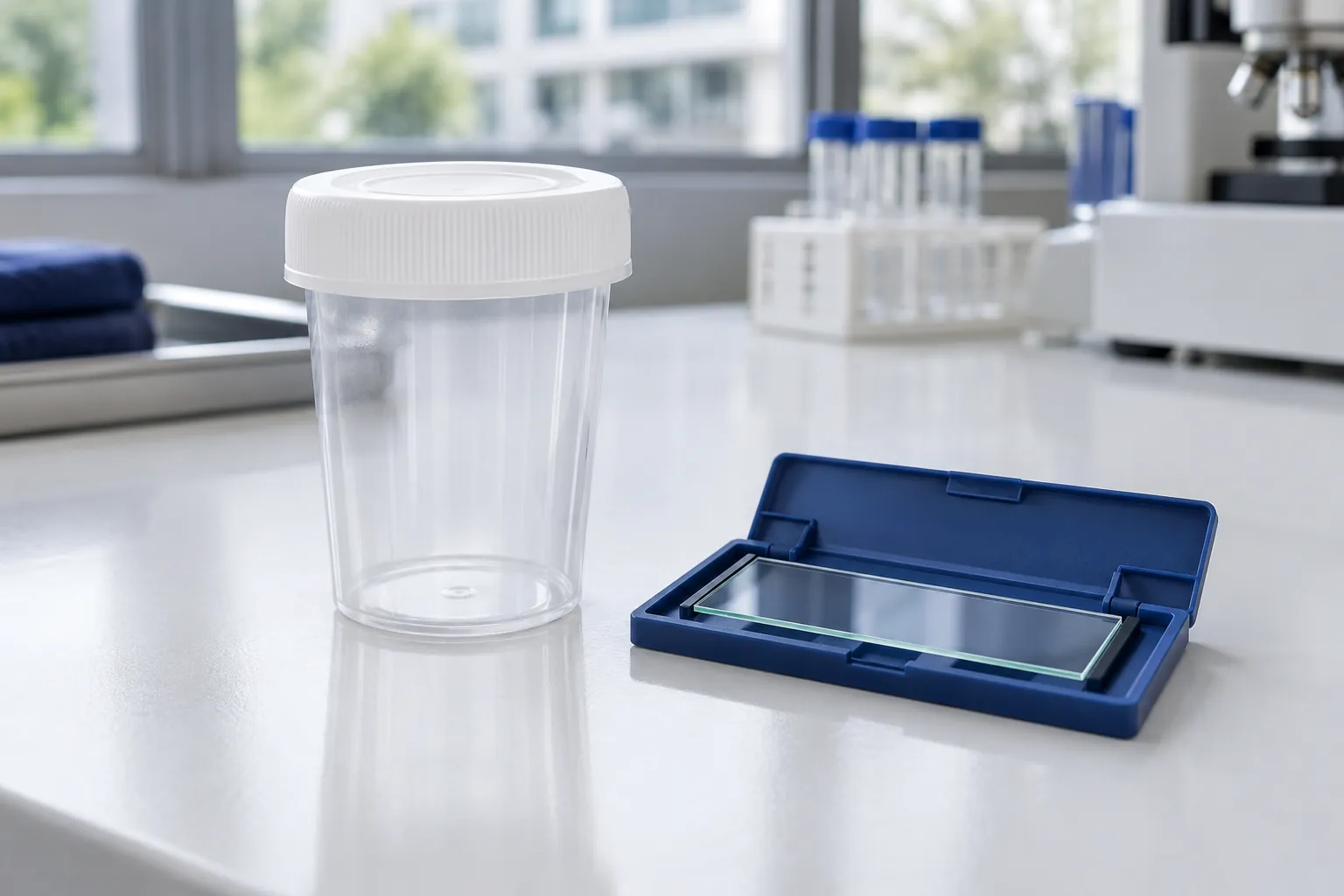
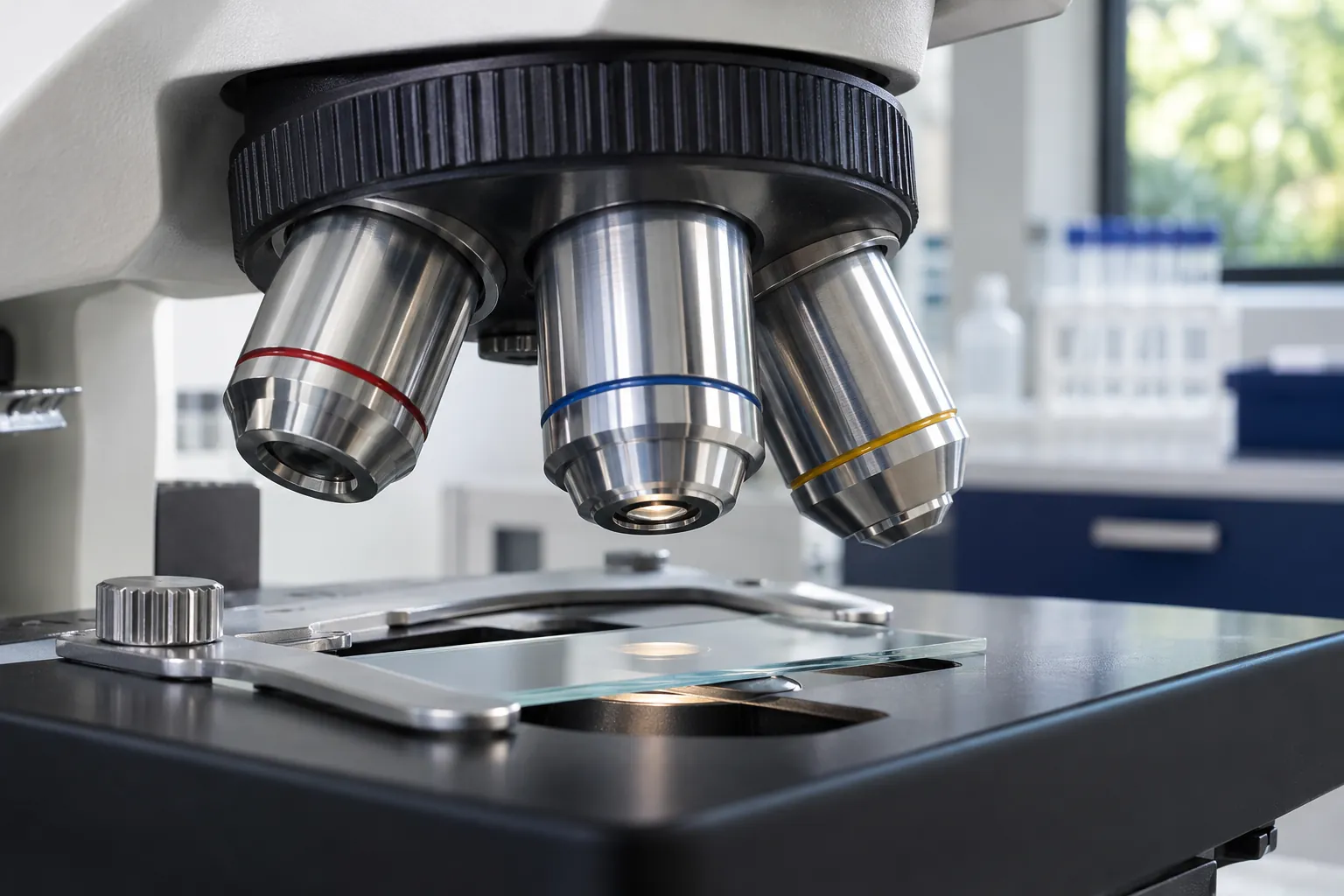
In cryptozoospermia, sperm may not be visible during the initial routine examination but can be identified after centrifugation and careful examination of the pellet. In azoospermia, none are found after appropriate examination. The distinction cannot be made from appearance at home. A useful report explains the search method and the characteristics of any cells found.
One sample does not guarantee the next
A sample containing rare sperm does not mean that the next sample will provide the same number. Equally, an earlier zero-sperm result does not establish that every future specimen must be identical. Repeat testing, investigation of the cause and treatment timing should be discussed together. If reports disagree, their chronological order can help the consultation.
Questions about freezing and treatment
If viable, usable sperm are identified, ask the embryology laboratory about storage. Freezing and recovering very small numbers involves laboratory assessment; not every cell found is usable. Discussing a contingency plan before egg collection can avoid decisions being made in a rush. Whether surgery can be avoided is an individual decision rather than an automatic conclusion.
What to bring to the discussion
Keep all earlier and recent semen reports, information on stored specimens and any operation notes. Ask: “How many sperm were found, and was viability or movement assessed?” and “What backup plan is appropriate for treatment day?” The female partner’s preparation and timetable also belong in this discussion, especially when arranging travel or taking time off work.
If material is stored elsewhere, request the laboratory’s written information rather than simply saying sperm were frozen. The material type, storage date and any previous use may matter. Before fixing a treatment date, clarify who will obtain each missing detail so sample uncertainty and the partner’s preparation can be discussed together.
Frequently Asked Questions
Does cryptozoospermia guarantee natural conception?
No. Detecting sperm is important information, but it cannot guarantee natural pregnancy or an IVF outcome.
Does finding rare sperm end the investigation?
Not necessarily. Urology/andrology assessment may still be needed to investigate the cause and choose a suitable plan.