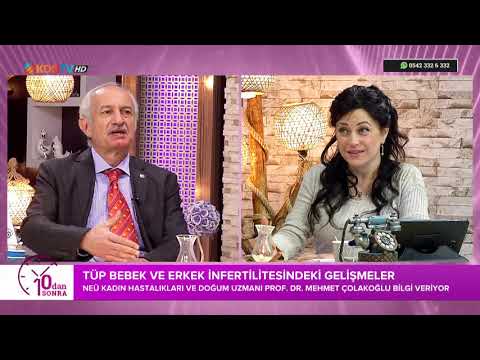
What did Çolakoğlu’s study investigate?
Prof. Dr. Mehmet Cengiz Çolakoğlu is the first author of a study published in Česká gynekologie in 2025. It retrospectively examined 72 men with unexplained non-obstructive azoospermia at two centres in Turkey. AMH and other findings were analysed in relation to sperm retrieval during Micro-TESE. The article’s DOI is 10.48095/cccg2025285.
An association is not your personal result
Higher AMH was associated with unsuccessful sperm retrieval in that study group. Finding an association does not mean that one blood test establishes what will happen to you. A small, selected retrospective cohort cannot automatically represent every cause of azoospermia. A published threshold should not become a self-directed instruction to undergo or abandon surgery.
Why other information remains important
AMH does not replace examination, repeat semen analyses, FSH, testosterone, appropriate genetic investigation or previous surgical findings. Finding sperm is also not the same outcome as fertilisation, embryo development or live birth. Discuss what the test could add to your decision, what remains uncertain and which alternatives are relevant in your situation.
Questions for your consultation
Ask: “Am I similar to the men studied?”, “Would an AMH result change our plan?” and “What can this test not tell us?” Bring the report’s units, reference range and date if already available. Rather than ordering a test simply because you read about it, discuss whether it addresses a useful clinical question.
When reading research, separate the study question from your own decision. A paper may explore an association in a selected group while you are deciding about timing or another attempt. Explain that distinction during consultation so the article informs discussion without becoming a source of disproportionate hope or discouragement.
Frequently Asked Questions
Can AMH replace Micro-TESE?
No. A blood measurement does not replace surgical sperm searching and cannot establish the presence of sperm on its own.
Are the study figures the doctor’s personal success rate?
No. They describe a particular research cohort and should not be presented as a personal guarantee or an overall practice success rate.